



Natural Wooden Soap Dish
- Regular price
-
$8.99 - Regular price
-
- Sale price
-
$8.99
Couldn't load pickup availability
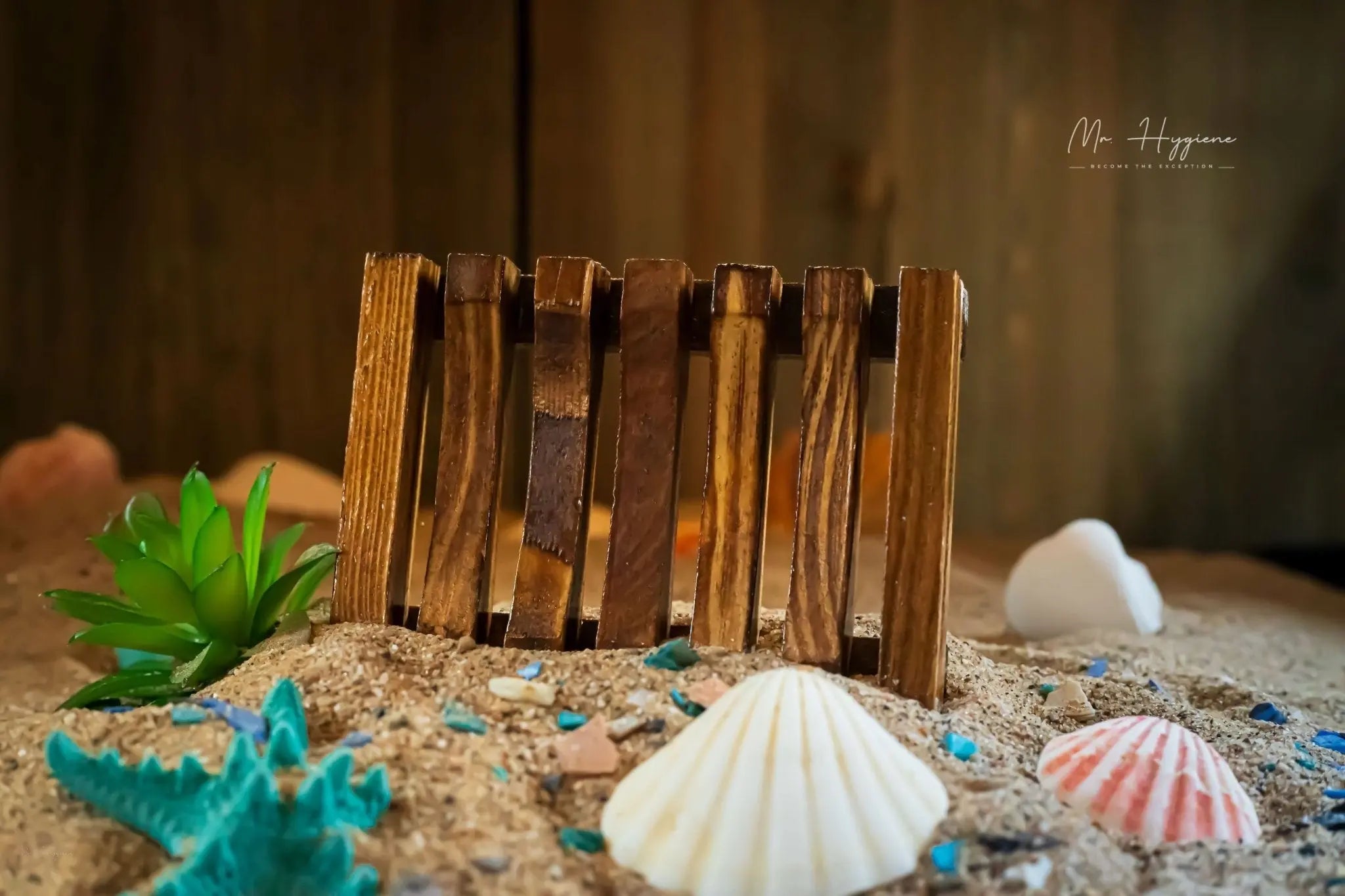
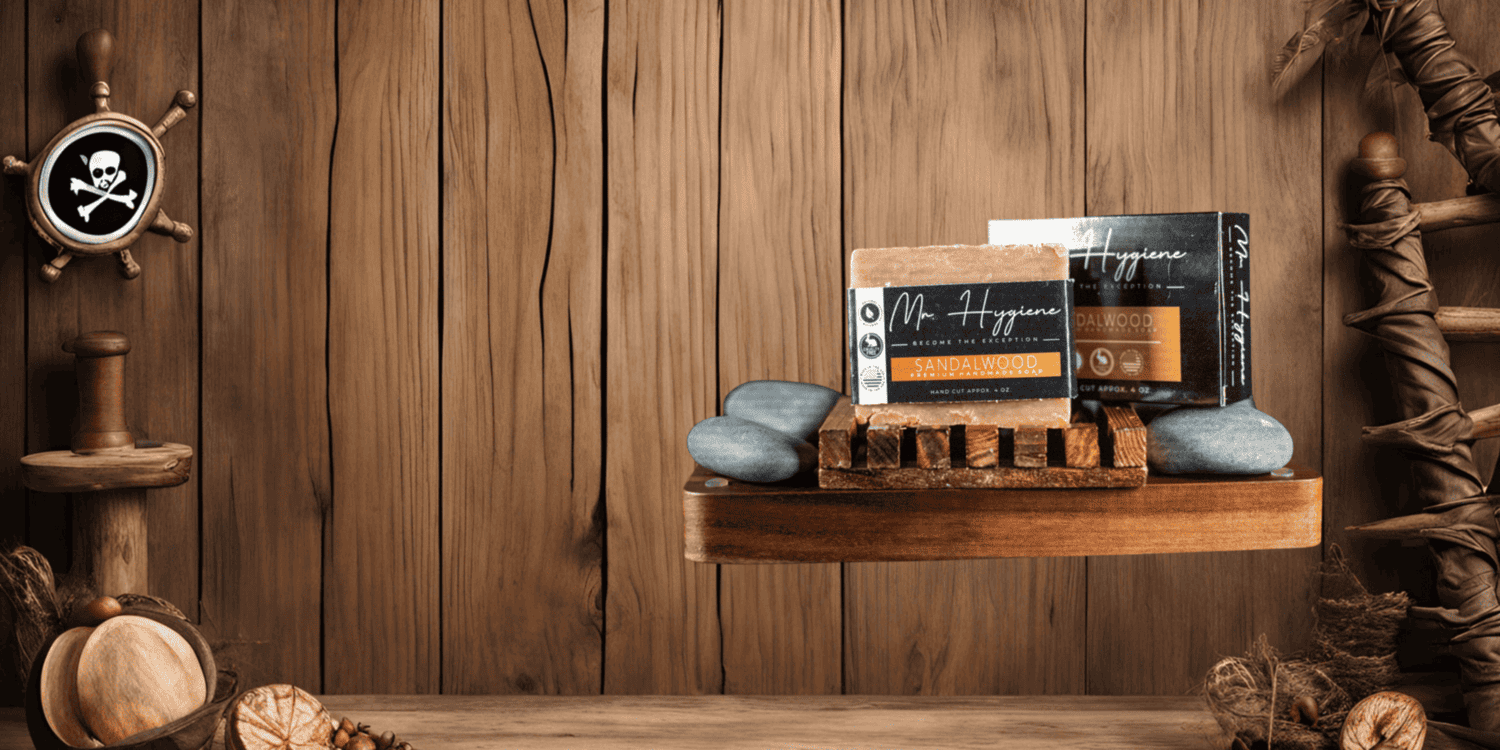
Keep your soap lasting longer and your sink looking clean with our Wooden Soap Dish—a simple, stylish upgrade that lets your bar dry out between uses so it doesn't turn into a mushy mess.
Made from eco-friendly wood and designed to look as good as it works, it adds a natural touch to your space while helping your favorite bar soaps go the distance.
Clean, practical, and built to keep things fresh.
Benefits
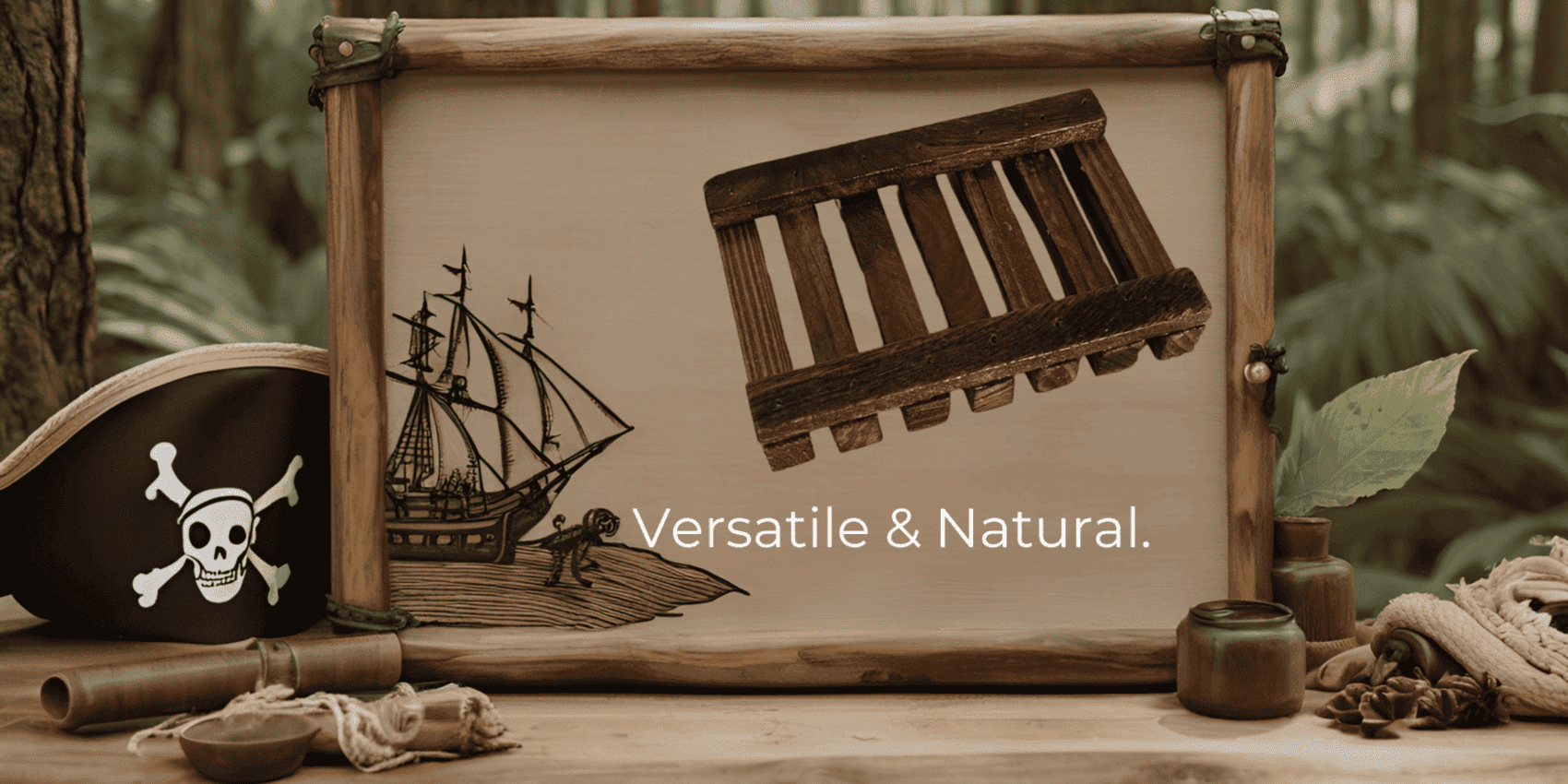
Versatile Use: Perfect for bar soaps, it can also hold other grooming products like sponges or small items, enhancing organization.
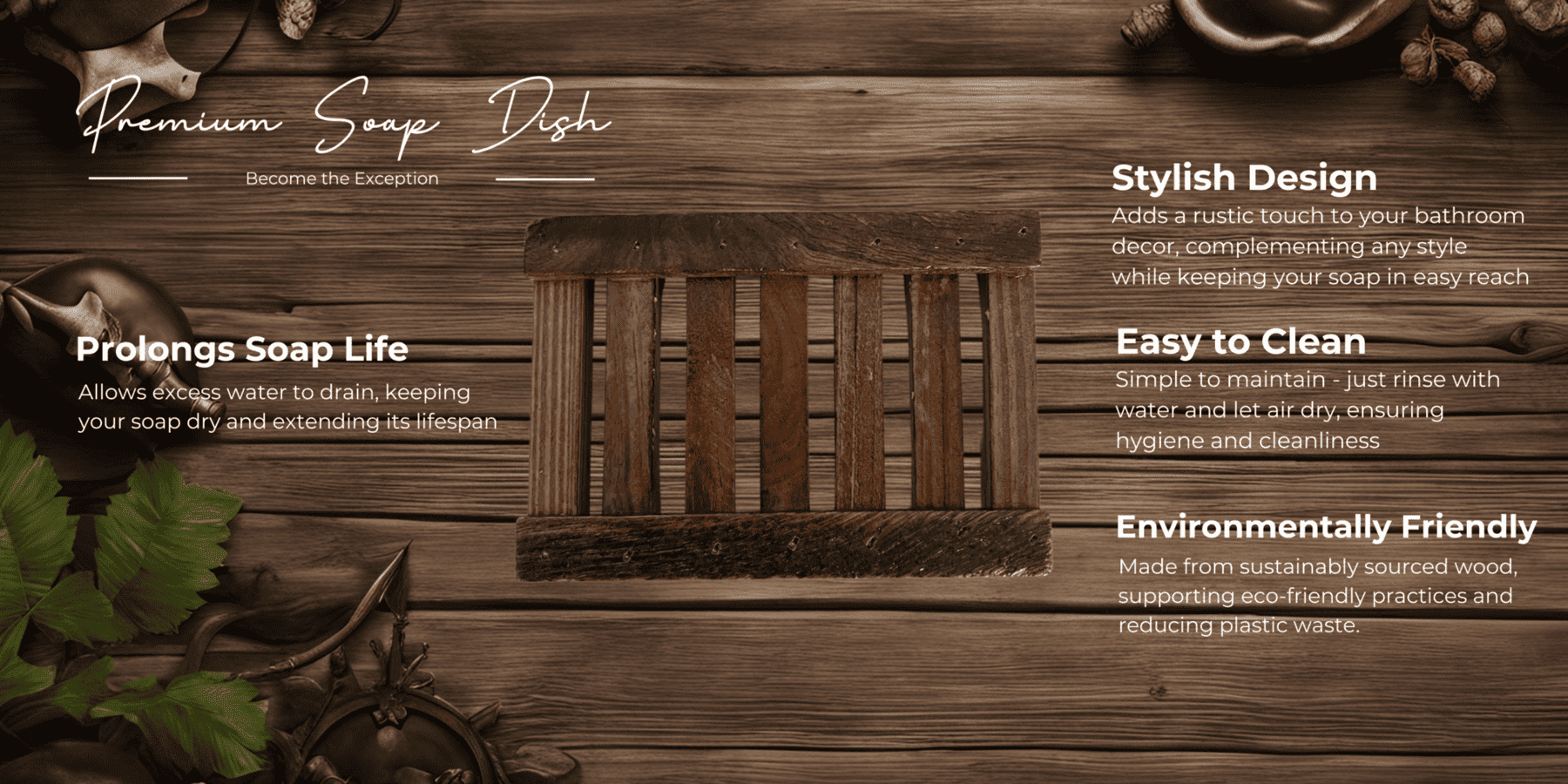
Prolongs Soap Life: Allows excess water to drain, keeping your soap dry and extending its lifespan for longer use.
Stylish Design: Adds a rustic touch to your bathroom decor, complementing any style while keeping your soap within easy reach.
Environmentally Friendly: Made from sustainably sourced wood, supporting eco-friendly practices and reducing plastic waste.
Easy to Clean: Simple to maintain—just rinse with water and let air dry, ensuring hygiene and cleanliness.
How To Use
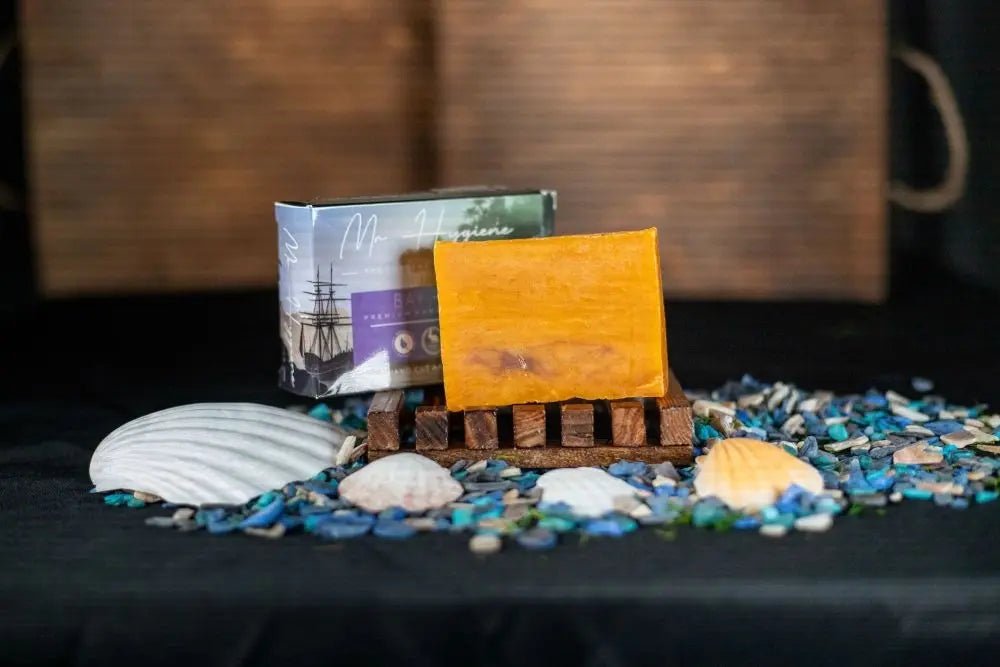
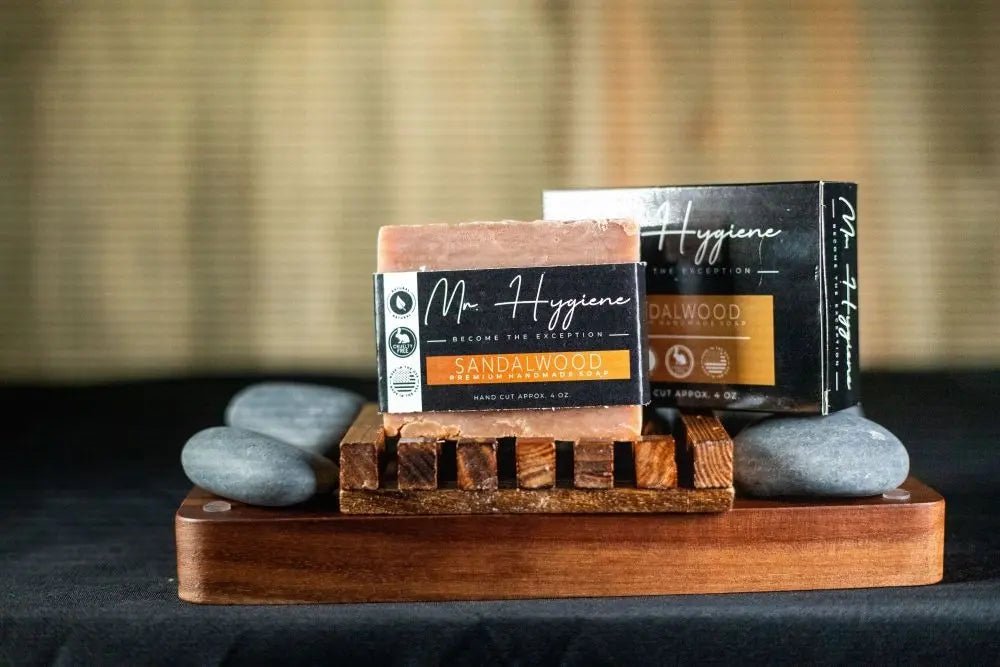
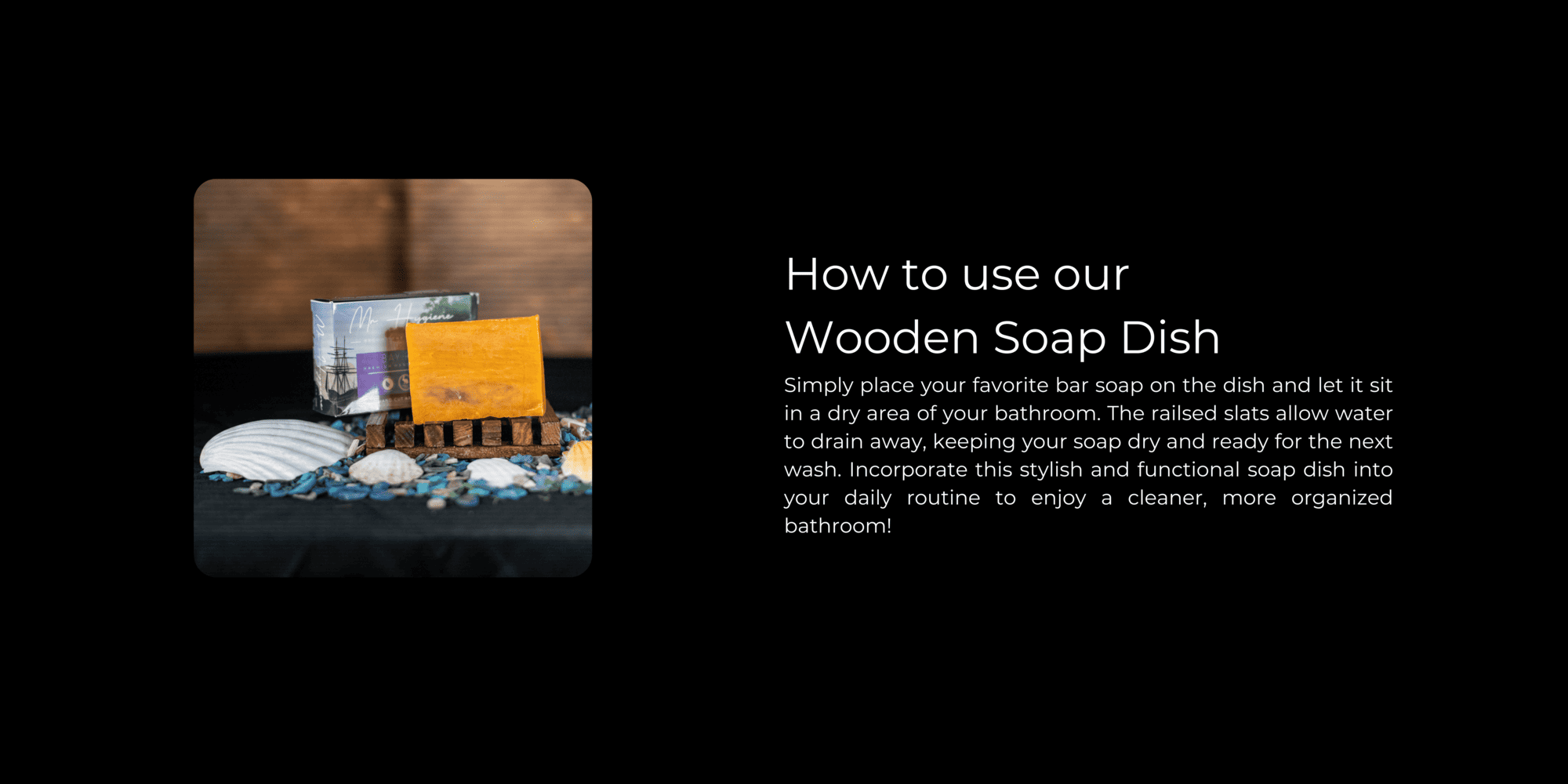
To use, simply place your favorite bar soap on the dish and let it sit in a dry area of your bathroom. The raised slats allow water to drain away, keeping your soap dry and ready for your next wash. Incorporate this stylish and functional soap dish into your daily routine to enjoy a cleaner, more organized bathroom that’s good for you and the planet!
Shipping Information
Free Shipping - Spend over $45*
Standard Shipping - (Orders between 0-$29.99) $2.99
Standard Shipping - (Orders between $30.00 - $44.99) $3.59
All of our Orders are sent with detailed tracking info via USPS
*Processing takes 1-3 business days and shipping usually takes 2-4 business days.
Return Policy
We have a 30-day return policy, which means you have 30 days after receiving your item to request a return.
To be eligible for a return, your item must be in the same condition that you received it, with tags, and in its original packaging. You’ll also need the receipt or proof of purchase.



Frequently Asked Questions
How do you clean a wooden soap dish?
Remove Excess Soap: Rinse the dish under warm water to remove any soap residue.
Scrub Gently: Use a soft brush or cloth to gently scrub away any remaining buildup. Avoid harsh scrubbing to prevent damaging the wood.
Dry Thoroughly: Pat the dish dry with a towel, then let it air dry completely in a well-ventilated area. This prevents mold and extends the dish's lifespan.
Oil Occasionally: To maintain the wood, you can occasionally rub a small amount of mineral oil or beeswax into the dish to keep it moisturized and prevent cracking.
How long does a wooden soap dish last?
The lifespan of a wooden soap dish can vary depending on factors like the type of wood, how well it's maintained, and the environment it's used in. Generally, a well-maintained wooden soap dish can last anywhere from 6 months to several years. Regular cleaning and proper drying after each use can help extend its lifespan and prevent issues like mold or cracking.
Are wooden soap dishes hygienic?
Yes, wooden soap dishes can be hygienic if properly maintained. The key is to keep the dish dry between uses to prevent moisture buildup, which can lead to mold or bacteria growth. Choosing a soap dish with good drainage and cleaning it regularly will help maintain its hygiene.
How do wooden soap dishes drain water?
Wooden soap dishes typically drain water through slats or grooves carved into the surface. These slats allow excess water to flow away from the soap, keeping it dry and extending its lifespan. Some wooden soap dishes also have raised ridges or feet that lift the soap above any standing water, further improving drainage and preventing the soap from becoming soggy.

Payment Options on Mr. Hygiene